Why Does Cancer Come Back? Understanding Recurrence and How to Stay Vigilant
Category: Patient Care
Dr Shantha Raman
12/31/20252 min read

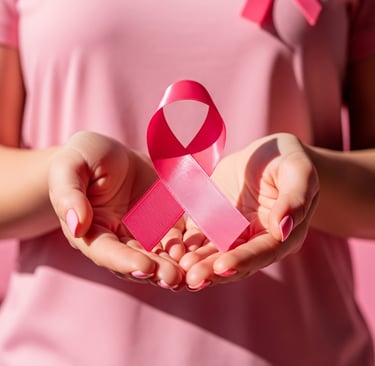
For many cancer survivors, the end of treatment brings immense relief — but also a quiet, persistent fear: what if it comes back? Cancer recurrence is one of the most emotionally challenging aspects of the cancer journey. Understanding why it happens can help patients and families make better decisions and stay proactive about their health.
What Is Cancer Recurrence?
Cancer recurrence means that cancer returns after a period of remission — a time when there was no detectable cancer in the body. Recurrence can happen weeks, months, or even years after the original treatment ended. It can occur in the same location (local recurrence), in nearby lymph nodes (regional recurrence), or in a completely different organ (distant recurrence or metastatic recurrence).
Why Does It Happen?
The most fundamental reason cancer recurs is that some cancer cells survive treatment. Even after surgery, chemotherapy, and radiation, microscopic clusters of cancer cells can remain. They may be too few and too small to appear on any scan — but they are alive.
Over time, these surviving cells can begin dividing again. Several mechanisms make this possible. Some cancer cells develop resistance to chemotherapy drugs, adapting genetically in ways that allow them to survive treatments that killed other cells — much like bacteria developing antibiotic resistance. A particularly important group called cancer stem cells — a small subpopulation within tumors — are especially hardy. They grow slowly, making them less vulnerable to treatments that target rapidly dividing cells, and they have the capacity to regenerate an entire tumor from a very small number of survivors.
In some cases, cancer cells spread before or during treatment and lie dormant in distant organs — the liver, lungs, bone, or brain. These dormant cells can be reactivated by various signals months or years later, causing what appears to be a new cancer in a different location.
Can Anything Reduce Recurrence Risk?
While there are no guarantees, evidence supports several strategies for reducing recurrence risk. Maintaining a healthy weight, engaging in regular physical activity, eating an anti-inflammatory diet, avoiding smoking and alcohol, and managing stress have all been associated with lower recurrence rates in various cancer types.
This is where Ayurvedic support during remission may offer genuine value. Our formulations focus on reducing systemic inflammation, supporting immune surveillance (the body's ability to detect and destroy abnormal cells), improving cellular antioxidant defenses, and promoting overall vitality. We view the remission period not as a time to relax vigilance, but as a critical window to strengthen the body's natural defenses.
Stay Connected with Your Medical Team
Regular follow-up scans, blood tests, and oncology appointments are essential. Report any new or unusual symptoms promptly. Do not wait to see if something resolves on its own.
Our Ayurvedic support is designed to complement — never replace — your oncology follow-up care.
Get in touch
Reach out anytime for guidance and support
Address
86949 46003
Dr. Jain Cow Urine Ayurveda Centre
No 25 .1st floor, Lady Curzon Road, Bowring Hospital Rd, Opposite to, Shivaji Nagar, Bengaluru, Karnataka 560001
Contacts